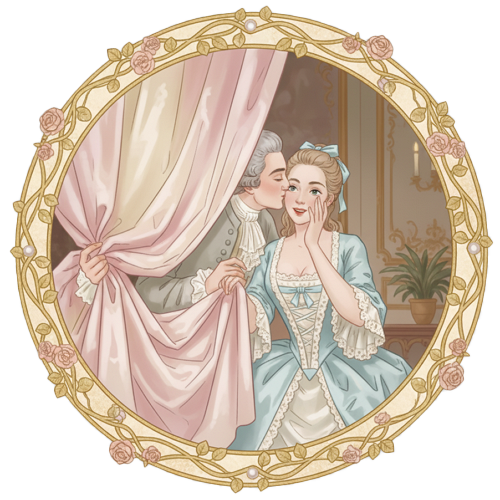

Heartbreak Billionaire: He Should Have Never Let Go
Let’s get a divorce. She has stomach cancer and has only six months left to live.”
After their in**mate encounter, Julian Croft sat up and said in a detached voice.
Elara Vance, still breathing hard from the encounter, turned to him slowly, a wild look of disbelief in her eyes.
They had been married for a year. What did he mean by suddenly saying he wanted a divorce?
“Her final wish is to be my wife,” Julian added, almost offhandedly.
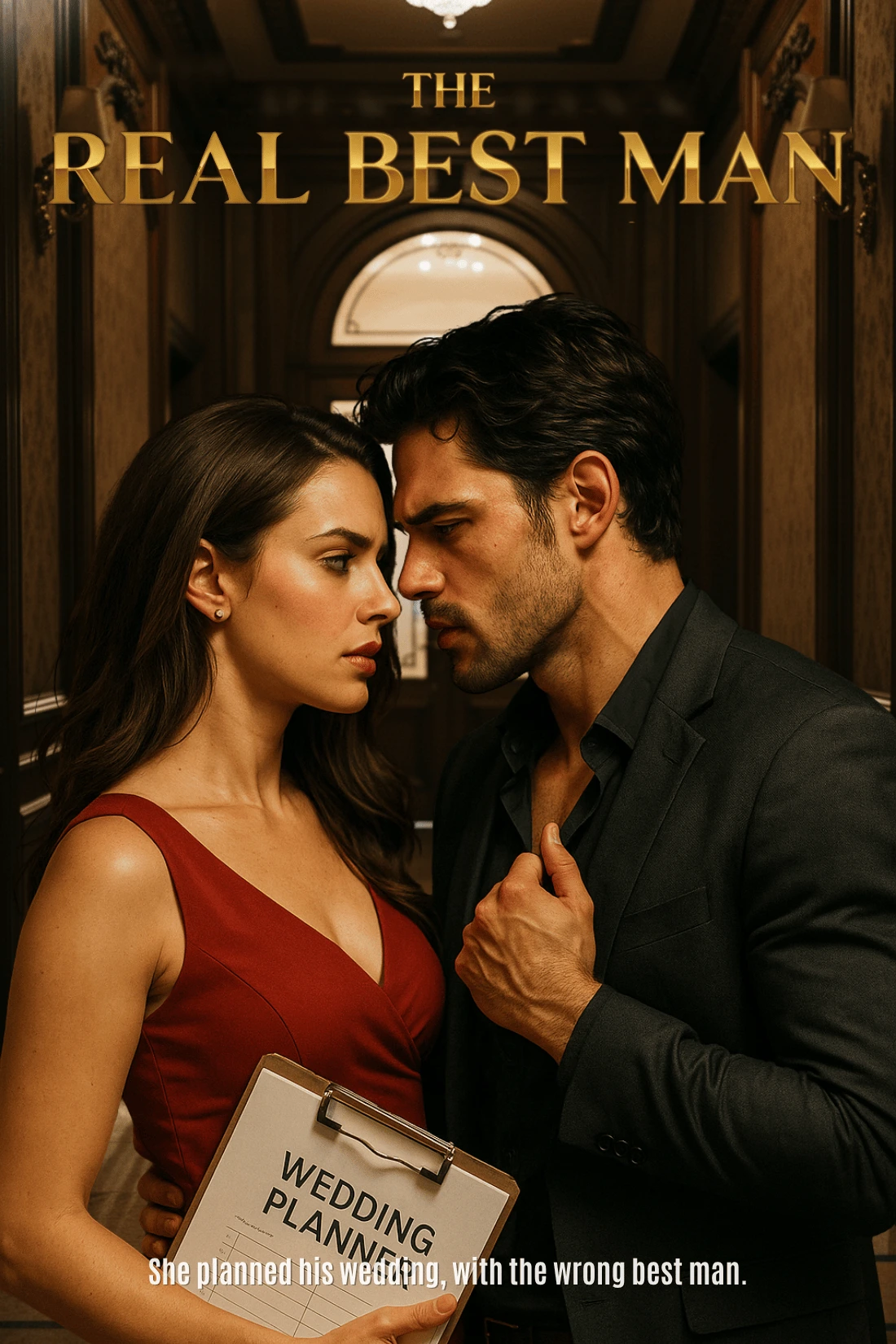
The Real Best Man
“She looks expensive, darling,” Chloe cut in, not even looking at me.
She was examining her own reflection in the back of a silver spoon. “Which brings me to the venue. I’ve decided I want the reception at the Met. In the Temple of Dendur. ”
My autopilot kicked in, a relief. “The Temple of Dendur is a magnificent space, but it’s famously difficult to book. The museum’s board—”
“Will be handled,” she dismissed.
“I also require a flock of doves to be released the moment the vows are exchanged. Pure white. And I’ll know if they’re just pigeons you’ve painted, so don’t even try. “
This was my life.
Arguing ornithology with a woman who was marrying the man I still measured every other man against.
“Doves are notoriously difficult to train for a specific ‘moment,’ Chloe,” I said, my voice patient. “And the museum has strict policies on live animals. “
“Then un-strict them,” she said with a shrug. “That’s why I hired you. To handle the impossible. “
Marcus shifted uncomfortably. “Chloe, darling, let’s hear her out. Ava’s the best for a reason. I’m sorry, Ava,” he said, turning those apologetic, sea-blue eyes on me. “For. . . well, for how things ended. I never meant to—”
Before I could formulate a response that wouldn’t involve hurling the floral centerpiece at his (My-ex-s) head, the door swung open.
What happened next would change all our lives…

For His Dying Love
“We need a divorce. She has stomach cancer. They’ve given her six months.”
In the aftermath of their intimacy, Caspian Thorne sat up, his voice a cool, distant thing.
Lyra Sanford, her breathing still uneven from their encounter, turned to him slowly, a storm of disbelief in her eyes.
They had been married for a year. What was this sudden talk of divorce?
“Her last wish is to be my wife,” Caspian added, almost as an afterthought.
He lit a cigarette, the smoke curling in lazy spirals around his face.
Lyra could only stare at him, stunned. A thick silence settled over the room.
The bedside lamp cast a soft glow, stretching their shadows across the wall until they seemed miles apart.
Caspian glanced at her, his brow furrowed in a faint line of impatience.
“It’s just to comfort her,” he explained. “We’ll remarry in six months. She won’t be around for long, Lyra.”
His tone was steady, almost detached, as if he were relaying a message that had nothing to do with him.
Lyra watched him wordlessly, her gaze fixed on the sharp line of his profile. He spoke as if giving an order, not making a request.

Whiskey & Lies
“Stay away from her,” Ben warned, his voice dropping to a deadly calm. “This is official police business.”
“Was it ‘official business’ ten years ago?” Nash leaned forward, his knuckles white on the bar. “Or was it just you and your daddy cleaning up a mess for your friends?”
Ben’s jaw tightened. “Get out of here, Callie. Now.”
He reached for my arm, his touch meant to be reassuring, protective. But it felt like a manacle.
I pulled back, my gaze whipping between them. Ben’s handsome face was a mask of controlled frustration, his eyes pleading with me to trust him, to let him handle it, to be the good girl he remembered.
But Nash’s stormy gaze held something else entirely.
Not pity. Not menace. Something else…

Secret Billionaire: The Counterfeit Handyman
He had come here on a mission of cold, hard logic. Assess the asset, determine its profitability, and make a decision.
But in the space of a twenty-minute tour, Maya Jimenez had changed the entire equation. She had shown him that Whispering Pines wasn’t an asset.
It wasn’t just timber and stone and a line item on a balance sheet.
It was a home. And he was the wolf at the door, dressed in handyman’s clothing.

The Curse of My Captor
No!” she spat, her other hand scrabbling for purchase, for anything to use as a weapon.
He ignored her, his entire focus on the task. The image of Elara flashed through his mind again—the steady, rhythmic beep of the infirmary’s diagnostic crystal, a fragile island of order in a sea of unknown sickness.
He was doing this for her. He was restoring the balance.
With a final surge of strength, he snapped the cuff around Lyra’s wrist.
The effect was immediate. The crackling violet energy around her vanished, snuffed out like a candle flame.
The residual hum of chaos in the air dissipated, leaving only the clean, steady thrum of the rain. She sagged in his grip, the fight draining out of her as her connection to her magic was severed.
He held her there for a moment, his breathing steady, the rain running down his face. He looked down at the woman he held, no longer a terrifying force of nature, but just… a woman. Defiant, yes.
Dangerous, absolutely. But contained.
A sense of profound, grim satisfaction settled over him. One more threat to Aethel’s peace was neutralized.
One more source of chaos was silenced. He had done his duty.
“It’s over, Whisper,” he said, his voice low and devoid of triumph.
He pulled her to her feet, his grip firm on her arm. The journey back to the Concord Spire would be simple. Imprisonment, interrogation, and then the courts.
A neat, orderly process.
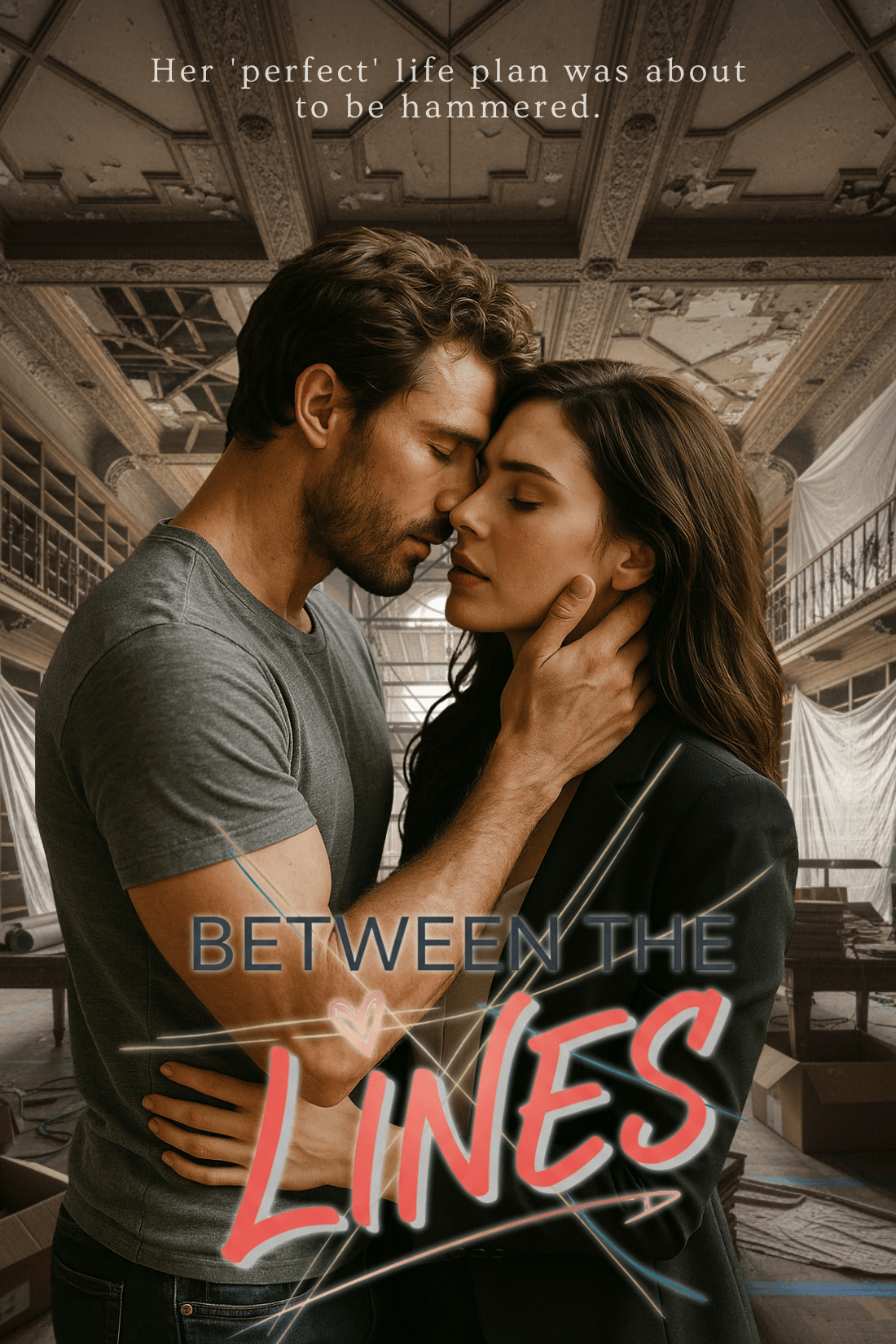
Between the Lines
She found a small alcove near the coat check, the party’s roar softening to a dull thrum. She pulled out her phone.
The screen read: AUNT CAROL.
Her heart gave a painful lurch. Aunt Carol never called after 9 p.m. Not unless…
“Carol?” Chloe answered, her voice tight.
“Chloe, thank God.” Her aunt’s voice was a ragged tear in the smooth fabric of the evening. She was crying.
“Oh, honey, I’m so sorry to call you tonight, of all nights, but I didn’t know who else…”
“What is it? …
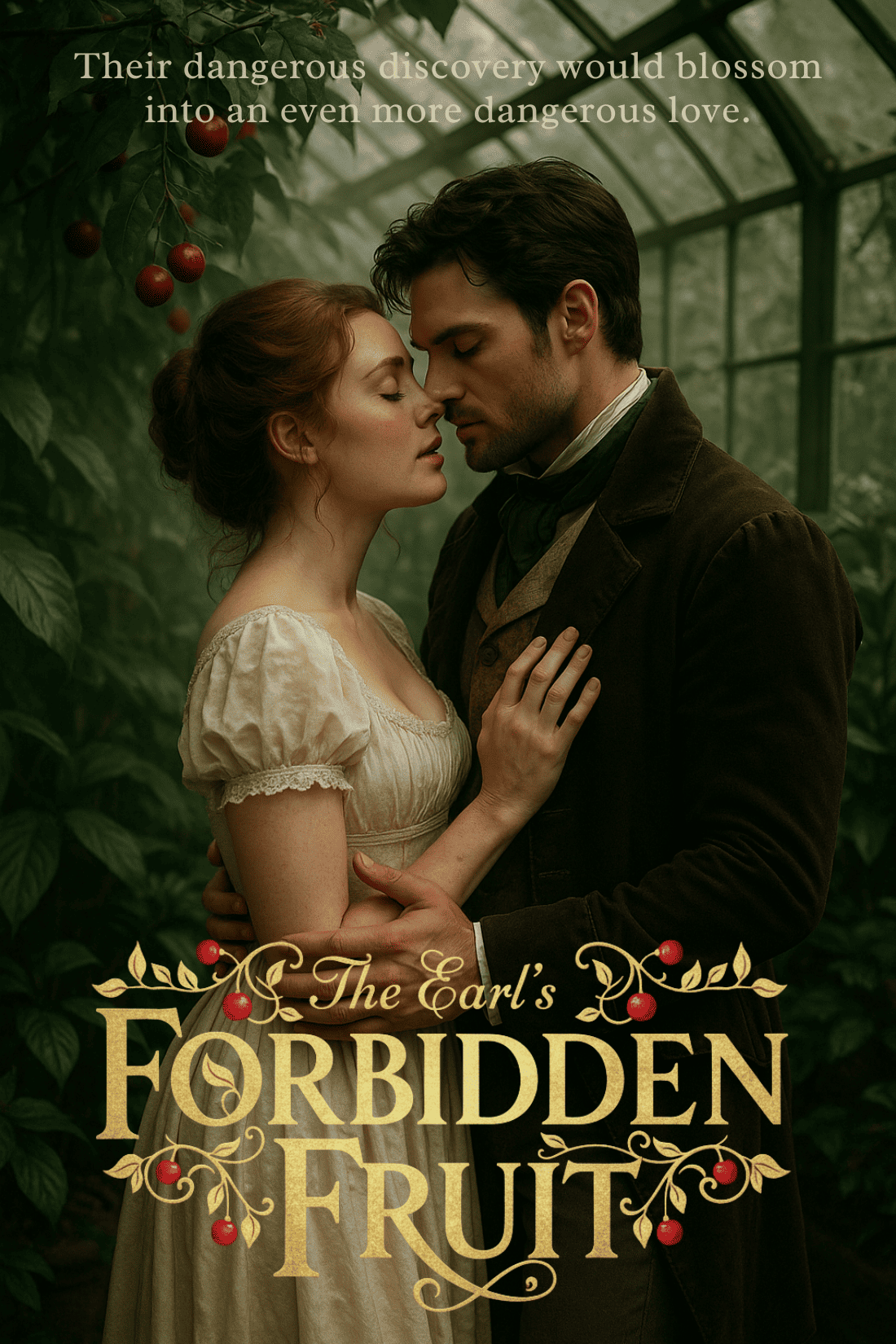
The Earl’s Forbidden Fruit
She was so lost in the microcosm of the flower that she did not hear the nearly silent snap of a twig some twenty yards behind her.
She did not see the shadow that detached itself from the deeper shade of an ancient yew.
She remained entirely, blissfully unaware that her moment of private salvation was, in fact, being observed by a pair of cold, narrowed eyes.

Trapped By The Wrong Man, Stolen By A Secret Billionaire
“I want them to see what I see.”
The lie was so practiced, so smooth, it almost slid past her. But she felt the truth of it in her bones.
He didn’t want them to see her.
Her stomach churned. The food tasted like ash.
“I need some air,” she said, pushing her chair back. The legs scraped against the polished concrete floor, the sound a violation of the perfect quiet.
Cole’s smile tightened. “Audrey, we’re not finished.”
“I am.” She didn’t look at him. She couldn’t.
“Don’t be dramatic,” his voice followed her. “We’ll just order the blue one we saw last week. It will be here by tomorrow.”
The click of the door shutting behind her was the only answer she could give.
The elevator ride down felt like a descent into another world. The lobby was a silent, marble mausoleum. But then the doorman opened the heavy glass doors, and the city hit her.
Real air. Cold and sharp with the scent of the nearby harbor. Salt and diesel and freedom.
She walked without thinking, her heels clicking on the pavement, a frantic rhythm against the deep hum of the city.
She headed toward the water, drawn by the dark, open space.
The cobblestone streets near the shipping terminals were slick with mist. The air was heavy. The distant groan of a foghorn echoed across the water. Here, the city felt different. Gritty. Alive.
She pulled her coat tighter, lost in the swirling mess of her own thoughts. The gala. The dress.
The way Cole could take something she loved and turn it into a weapon against her. He was so good at it.
He chiseled away at her confidence, piece by piece, calling it love.
Distracted, she rounded the corner of a brick warehouse too fast.
She collided with something solid.

Dangerous Contract
“Enter,” he called out, his voice raspy from disuse.
The door opened to reveal not a student, but a man in a suit so sharp it looked like it could cut paper.
He held a crisp, aggressively white envelope. “Dr. Alistair Finch?” the man asked, his tone brisk and impersonal.
“I am,” Alistair confirmed, squinting as if the man’s polished shoes were emitting their own light source.
“Delivery for you.” The man stepped forward, placed the envelope on the only clear four-inch square of Alistair’s desk, and retreated with the efficiency of a well-oiled machine.
The door clicked shut, leaving the silence to rush back in, now heavier and tinged with unease.
The envelope lay there like an artifact from another planet. It bore the embossed insignia of a prestigious law firm: “Pembroke, Hayes, & Associates.”
He recognized the name. He knew what it meant…

The Prince of Concrete and Ivy
The growl of the bulldozer was a promise of death.
Rowan Finch stood with her arms locked, her body forming a flimsy, human barricade in front of the garden’s wrought-iron gate.
Everything about this was wrong.
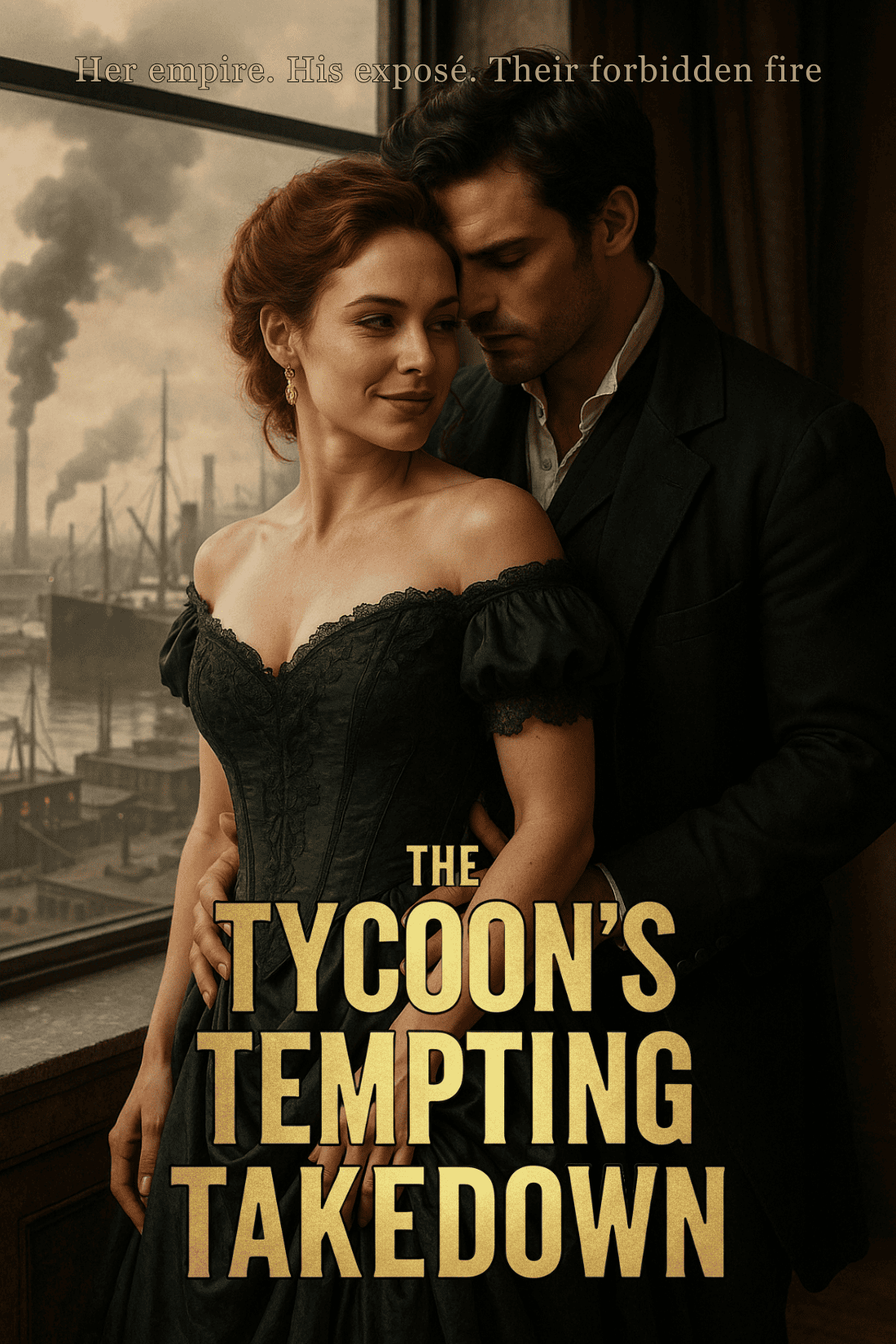
The Tycoon’s Tempting Takedown
As Nell looked over her industrial ‘kingdom,’ a deep sense of satisfaction welled up inside of her.
Looking out from her large plate glass window, she smirked thinking of all the men who expected her to fail.
As her gaze drifted over her empire, her foreman entered her office.
What he said next threatened to destroy everything…

The Ghost of Covent Garden
Leaning against the cool marble wall, she closed her eyes for a blessed moment, letting the cacophony wash over her.
It was then that she heard it.
Not the music from the orchestra, a bland and forgettable waltz, but the low, rumbling tones of a conversation between two older gentlemen hiding from their wives.
“—utterly savage, I tell you,” one of them, Sir Winston Croft, was saying.
His voice was laced with a mixture of shock and grudging admiration. “No sentiment, no powdered-wig poetry. Just… blood and thunder. The man writes with a cudgel, not a quill.”
“You mean the new play at Covent Garden?” the other, Lord Hemlock, replied, his tone dismissive.
“The Beggar’s Throne? Heard it was penned by some guttersnipe from the rookeries. Shaw, is it?”
“Finnian Shaw,” Sir Winston corrected.
“And yes, they say he clawed his way out of the Seven Dials. But my God, Hemlock, the power of it. The audience was silent. … Not bored silent, but held silent. He put the raw, brutal truth of this city on that stage, and for two hours, he made us all look at it.”
Beatrice’s eyes snapped open. Finnian Shaw.
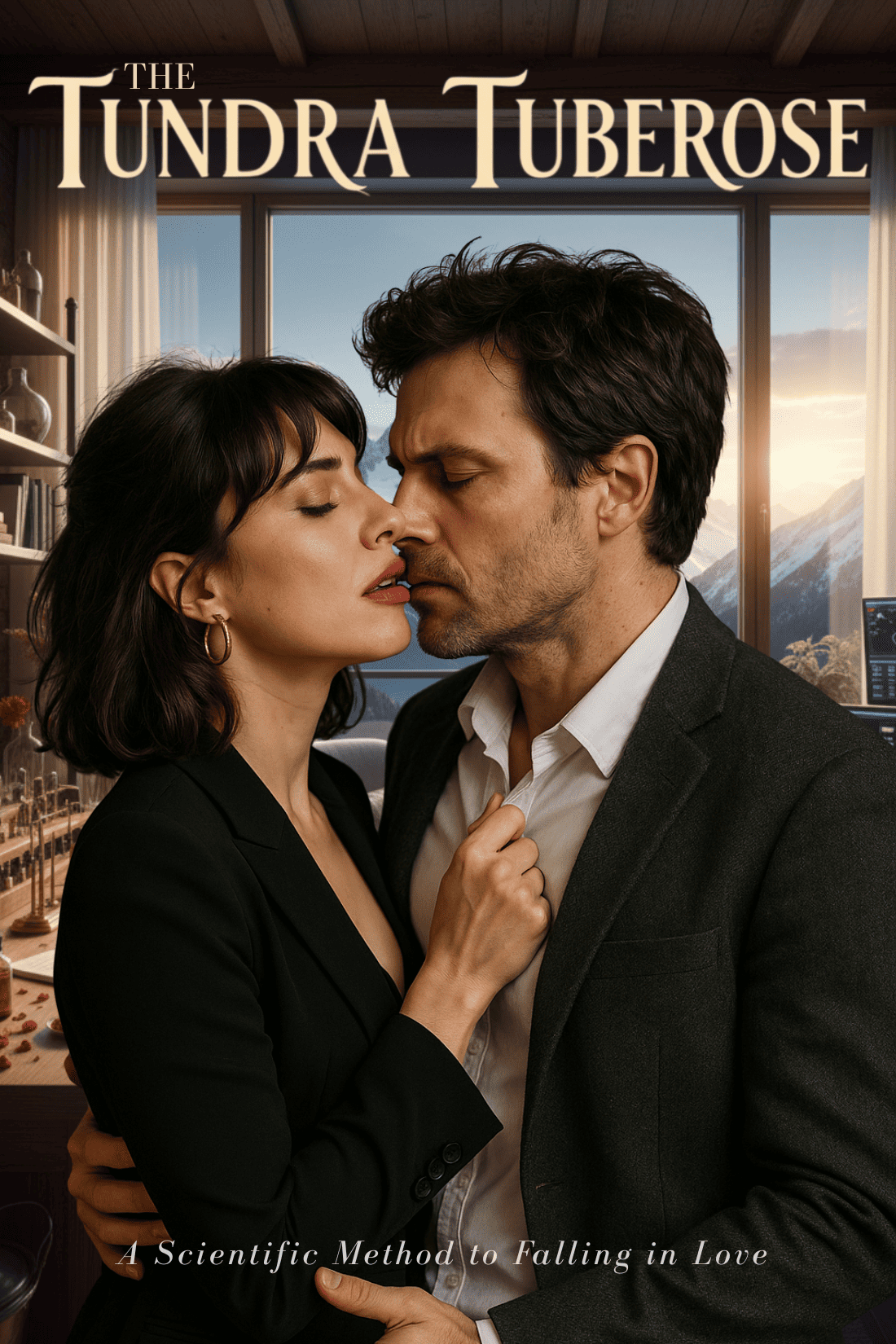
The Tundra Tuberose
She stumbled, catching herself on the frame of the helicopter, her heart hammering against her ribs.
A fish out of water. No, she was a hothouse flower thrown into a cryo-chamber.
She wrestled her two Pelican cases from the cabin, the hard plastic shells seeming to shrink in the vastness.
They contained the entirety of her experiment, the last, desperate hope she had: the Atmospheric Olfaction Recalibration Unit.
The name was a clinical mouthful for what was, essentially, a prayer made of wires and filters.
The pilot didn’t wait. The moment her feet were clear, the helicopter lifted, its roar crescendoing before it banked sharply, becoming a dark speck against the bruised pewter sky.
And then, silence.

Eternal Hunt
“Eyes on the nest,” Lena whispered, her voice a dry rasp. “Three, possibly four. Fledglings. They’re feeding.”
She flattened herself against a pillar of bone, peering into the main chamber. The dregs of the city’s forgotten had become a feast.
Four creatures, hunched over a pair of vagrants, their forms jerky and unnatural. They were new, clumsy in their hunger, tearing and slurping with a desperate greed that betrayed their youth.
They were soulless things, animated only by a parasitic thirst.
Vermin.
“Cleanse it,” Voronin commanded. “No witnesses, living or un-living.”

Counterfeit Capo
A floorboard creaked in the hallway outside her apartment. She paused, listening, but heard nothing more.
Just the groan of an old building. Shrugging it off, she took a deep breath, her finger hovering over the mouse.
In the wine cellar across town, Riccardo De Luca wiped the corkscrew clean on Moretti’s jacket, stood up, and retrieved his wine. He took a final, satisfying sip as his men wrapped the body.
Another loose end tied off. Another piece of his father’s legacy erased and remade in his own image.
In his silent kitchen, Sandro wiped down the last gleaming steel counter, the scent of bleach and rosemary filling his sanctuary. For a single, fleeting moment, he felt at peace.
The fires were out. The doors were locked. He was safe.
Juliette Monroe clicked ‘Send.’ The review was gone, an arrow shot into the dark, aimed at a man she had never met.
A spark, arcing through the city, about to land in a hidden pool of gasoline.

Deadly Deductions
Julian didn’t watch him leave.
His focus was entirely on the image of Elara Vance. The supposed genius. The ghost he was being paid a king’s ransom to hunt.
He saw the panic she was surely feeling, the amateur mistakes she was probably making, the digital tripwires she was setting that he could bypass in his sleep.
He smiled. A cold, thin, predator’s smile.
The hunt for Elara Vance had already begun.

The Billionaire’s Broken Code
Come on,” she murmured, her fingers flying across the keyboard, the clatter of keys the only percussion against the city’s distant, sleeping heartbeat. “Where are you hiding?”
She was deep in the kernel, the sacred, beating heart of the OS. This was Thorne’s original work, the code he had written himself before his company grew into a leviathan.
It was breathtaking. Each function was a perfect, self-contained universe of logic. Working through it was like having a conversation with a mind of unimaginable brilliance.
She could feel his personality in the comments he’d left behind—terse, witty, and utterly confident.
And that’s where she found it.

For Better or For Footage
Failure was not an option.
That’s when she saw him.
He was leaning against a century-old oak tree, a stark figure in black amidst the pastel-hued chaos. While everyone else was caught in the wedding’s gravitational pull, he seemed to exist in a separate, cooler orbit.
He held a professional-grade camera, not with the cheerful, obliging posture of a typical wedding videographer, but like a naturalist observing a strange and potentially dangerous species.
His focus wasn’t on the blushing bride-to-be adjusting her veil, but on a weeping willow branch that had just shed a clump of leaves into the punch bowl.
He was handsome in a way that felt inconvenient, with dark, unruly hair, a strong jaw shadowed with stubble, and eyes that seemed to absorb the light rather than reflect it. But it was the look on his face that snagged Willa’s attention—a sort of grim, detached satisfaction.
He was documenting the flaws, cataloging the cracks in the façade. He panned his camera slowly, deliberately, from the wilting flowers to the sweat-stained collar of the groom’s father, a faint, cynical smirk playing on his lips.
He wasn’t capturing a fairytale…
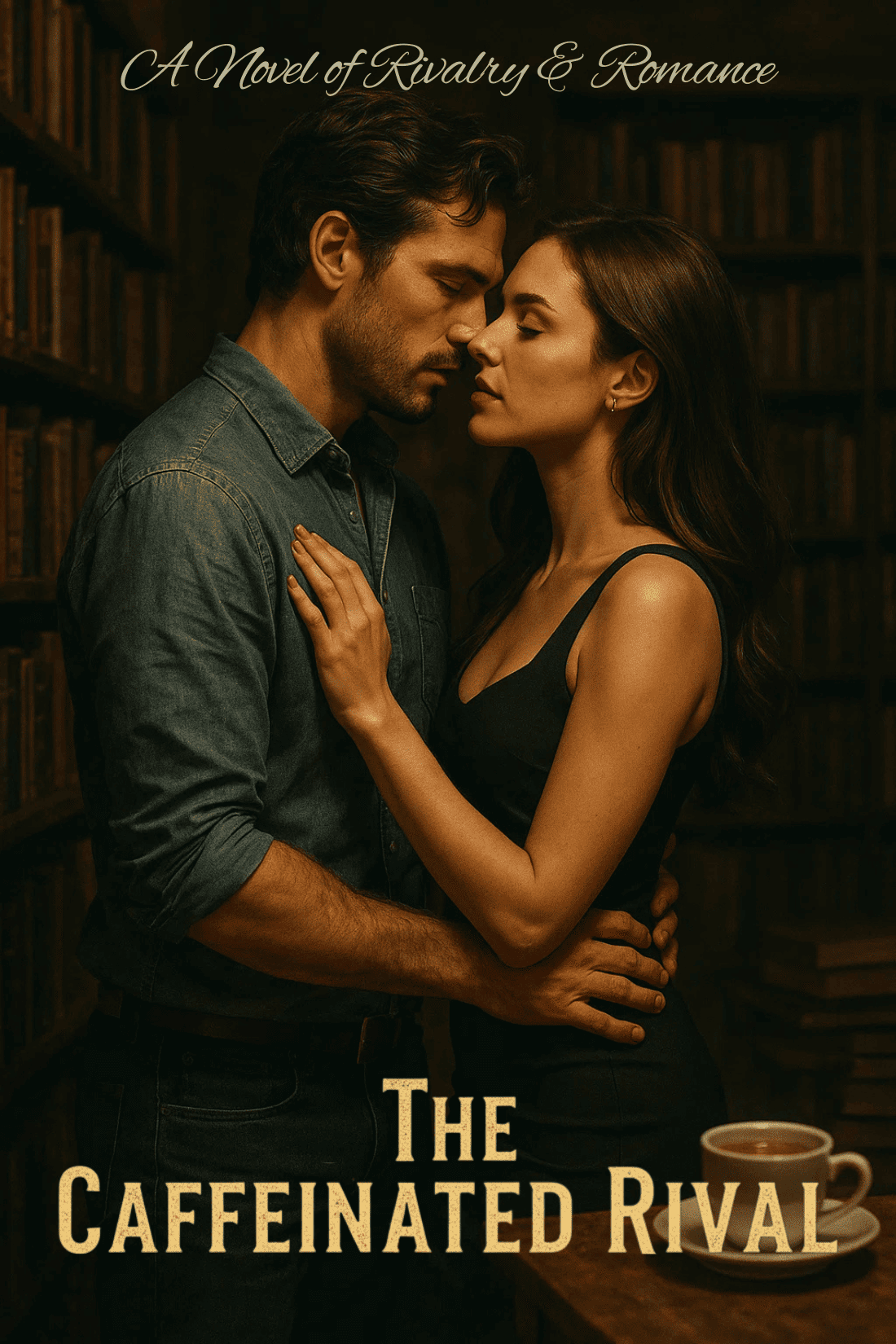
The Caffeinated Rival
He paused at the front window one last time. Across the way, Chloe Maxwell was standing alone in her bright, white box of a store, sweeping the floor.
For a moment, with the performative crowd gone, she looked different. Smaller.
The relentless smile was gone, replaced by a look of focused determination. Then she glanced up, and her eyes met his from across the cobblestones.
She didn’t wave. She didn’t smile.
She just held his gaze for a long second, a flicker of something unreadable in her expression—curiosity, maybe, or a challenge. Then she gave a small, almost imperceptible nod and returned to her sweeping.
Liam felt it like a line being drawn in the sand. She saw him.
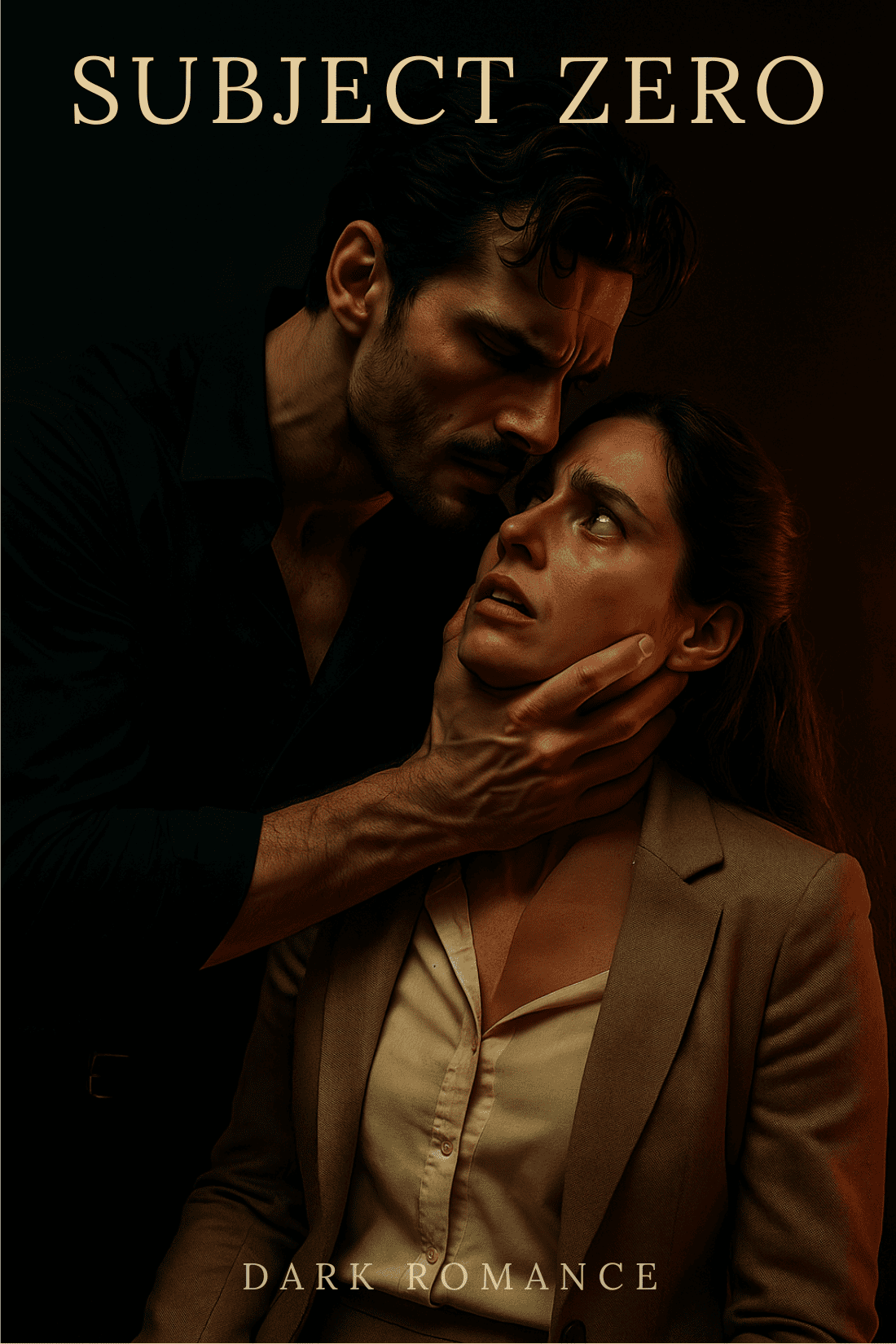
Subject Zero
Her reflection stared back from the polished black surface of a dormant monitor: a woman rendered in sharp, efficient lines.
Hair pulled back in a severe knot, dark-rimmed glasses perched on a nose that was perpetually pointed down at data, and a mouth set in a line of determined neutrality.
Her white lab coat was a uniform, an armor. It smelled of antiseptic and ambition.
This facility, a sleek concrete and glass box buried deep in a private timber reserve, was the culmination of six years of relentless work.
It was her magnum opus, the crucible in which she would forge the final, unassailable proof for her doctoral thesis: The Pathogenesis of Obsessive Fixation: A Behavioral and Neurological Study.
Most of her peers were content with analyzing case files from a distance. Aris believed in immersion.
To understand the predator, you had to build the perfect cage and watch it from inches away.
And she had found the perfect predator.

The Case of the Mountain Healer
The silence that followed was absolute. It was not a peaceful silence.
It was a cheap piece of glass, and the truth was the stone that had been thrown through it.
There were no strings being pulled from on high. There was only biology, chaos, and the cold, indifferent mechanics of the universe.
Prayer was a shout in a vacuum. Faith was a crutch for those who couldn’t bear to walk on their own two legs.
“Alistair?”…
Alistair’s jaw was tight, the ghost of that long-ago ache still clenched in his chest. He forced it down, burying it once more beneath layers of cool, intellectual certainty.
“Just thinking about the headline,” Alistair lied smoothly, his voice steady. The brief, agonizing memory had not shaken him. It had fortified him.
This assignment was no longer just a job. It was personal.
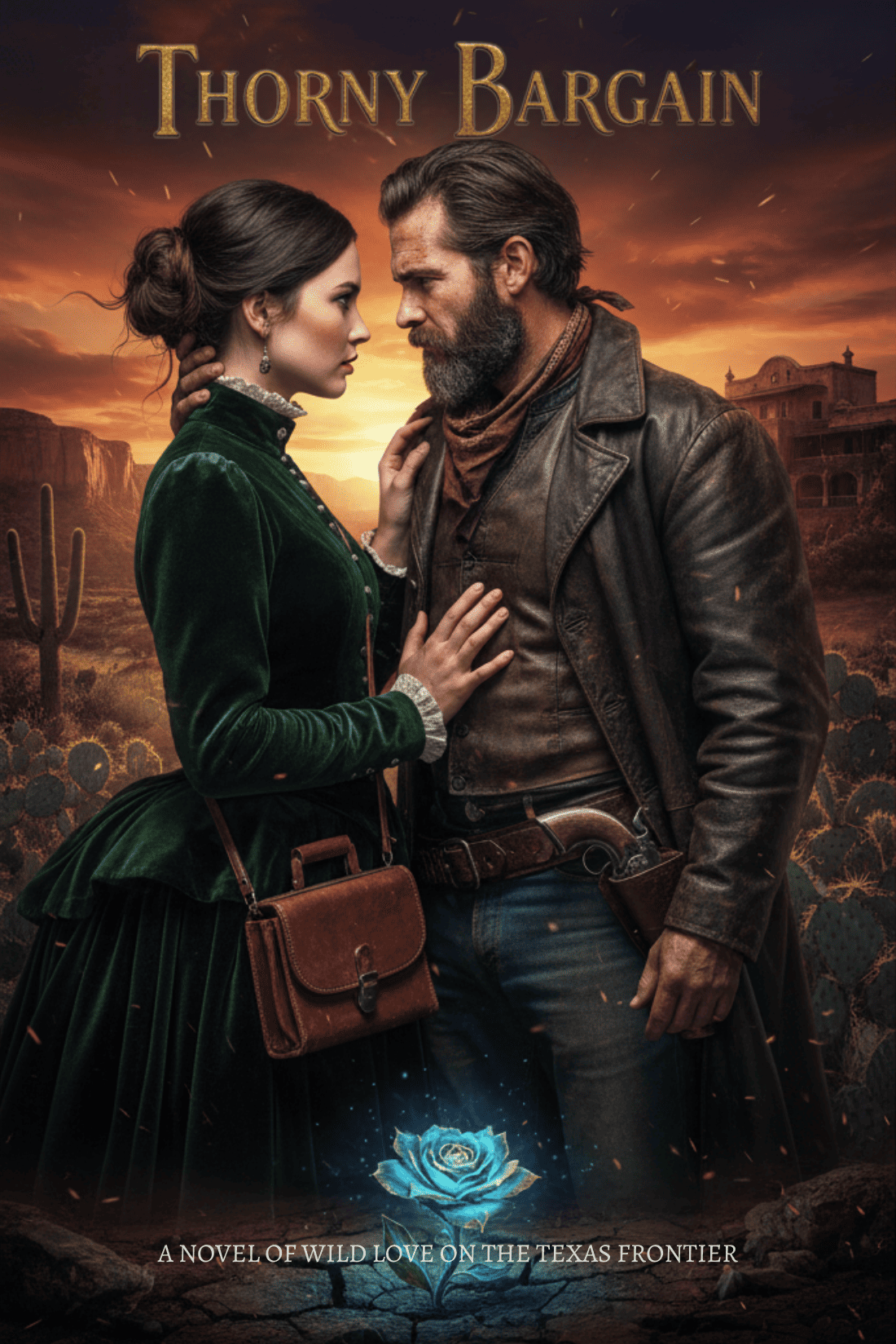
Thorny Bargain
A trio of cowboys lounging in the sliver of shade offered by a canted awning fell silent, their eyes tracking her as if she were some exotic, and likely foolish, species of bird blown disastrously off course.
Beatrice lifted her chin, a gesture practiced in the male-dominated halls of the university. Condescension was a language she understood, though she had never encountered it in this raw, unfiltered form.
It was in the slow, deliberate way the men looked her up and down, their gazes lingering on the impracticality of her attire—the fitted jacket, the slight bustle, the hat pinned at a precise, fashionable angle. They saw a fool. Let them.
Fools were underestimated, and in that, there was a certain advantage.
Her mission was all that mattered.

Not Your Average Wallflower
They admired the concept but questioned its commercial appeal. Then, they moved to Julian. They gushed.
“Exquisite.” “Masterful.” “The epitome of romance.”
I felt a familiar, bitter burn in my throat.
This was why I was here. To prove that beauty didn’t have to be safe.
To win that hundred-thousand-dollar prize and save my grandfather’s weird little plant shop in Detroit from being bulldozed for a parking garage.
I couldn’t fail.
I wouldn’t.

The Lighthouse Accords
She saw a dilapidated fence and calculated the cost of repair; he saw the way the morning light caught the peeling paint.
Mr. Abernathy, a man who looked as though he’d been curated by the same decorator as his office, finally entered, carrying a thick vellum folder. “My apologies for the delay,” he said, his voice a gravelly baritone.
“Lena. Finn. Thank you for coming on such short notice. Maeve was… very specific in her instructions.”
He settled behind his enormous mahogany desk, the very picture of somber professionalism. “I won’t prolong this,” he began, opening the folder.
“Maeve O’Connell was a woman of great heart and, it appears, great foresight. There are a few small bequests—donations to the local historical society, her collection of sea glass to a dear friend—but the bulk of her estate is to be addressed to you both.”
Lena’s posture, if possible, became even more rigid. She was prepared for a sentimental token, a piece of art perhaps.
Something she could politely accept, file away, and forget.
Finn leaned forward slightly, a flicker of pained interest in his eyes. He just wanted to hear her voice one last time…